
EU Shipping Emissions Hit Record High Despite Trade Slowdown
Reports show that European shipping emissions rose sharply in 2024, climbing 13% compared to the previous year, despite a decline in overall seaborne trade volumes.
According to new analysis by Transport & Environment (T&E), Europe’s leading advocates for clean transport and energy, emissions reached their highest levels since the EU introduced mandatory monitoring, reporting, and verification (MRV) requirements in 2018.
T&E’s review of official MRV data suggests that disruption to trade routes through the Red Sea was a major factor behind the increase. Longer voyages and higher operational speeds contributed significantly to the rise in emissions, even as trade volumes fell.
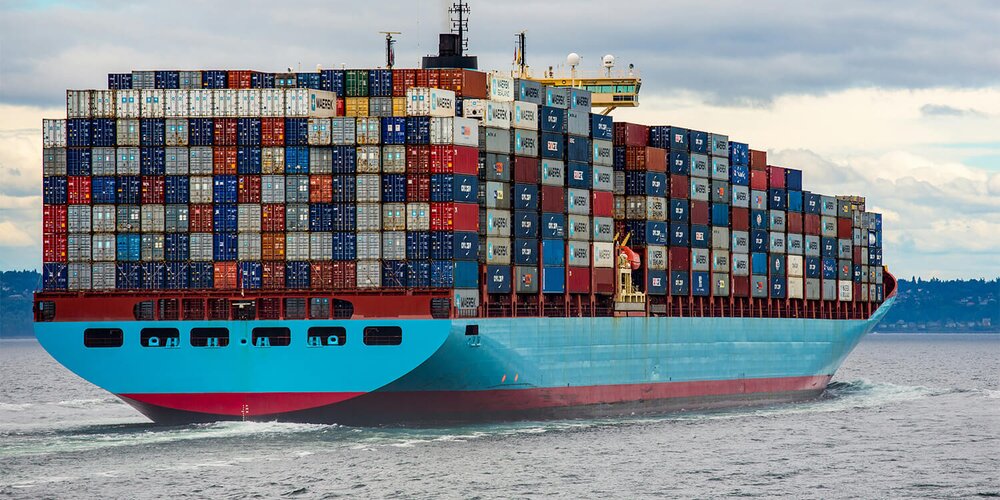
Container ships were identified as the primary drivers of the surge, with emissions from the sector rising by 46%. Analysts attribute this to an 18% increase in average sailing distances, a 3% rise in operational speeds, and the deployment of additional vessels to service extended routes.
Because shipping emissions are highly sensitive to speed, even small increases can have outsized effects. Each 1% rise in speed can result in a 3% growth in emissions.
“Last year’s record pollution shows that even when trade declines, disruption can lead to increased emissions from ships. With the inadequate IMO deal being shelved, the ETS carbon price has never been so crucial,” said maritime transport policy officer at T&E, Agathe Peigney.
Her comments reflect the growing concern that international regulation has failed to deliver sufficient progress, leaving the EU’s Emissions Trading System (ETS) as the most effective tool for driving reductions.
The ETS for shipping has been in place for almost two years and is already showing signs of effectiveness, with compliance rates of around 99% in its first year. T&E argues that the upcoming review of the scheme is an opportunity to strengthen and expand its scope, ensuring that smaller vessels are included and that all polluters contribute fairly to the cost of emissions.
Despite Europe’s increasing reliance on renewable energy, the report notes that fossil fuel transport continues to account for a significant share of maritime emissions. Fossil fuel carriers make up around 20% of EU shipping emissions, a proportion that has remained largely unchanged since 2018.
Emissions from liquefied natural gas (LNG) carriers rose following Russia’s invasion of Ukraine, reflecting Europe’s shift in energy sourcing, but declined in 2024. Emissions from crude oil transport climbed back to levels last seen in 2019.
While Europe has made progress in deploying renewables and tightening climate regulation, the maritime industry remains exposed to the fluctuations of global trade disruptions, operational practices and fossil fuel demand.
Marine Services at Brookes Bell
The maritime sector is at the heart of the global economy, supporting our way of life across the world.
Brookes Bell has been providing multidisciplinary technical and scientific consultancy for over a century. They are regarded by many of the biggest names in the maritime and energy industries as the ‘go to’ firm for casualty investigation, forensic analysis, technical dispute resolution, and expert witness work.
Contact our team today to see how we can support your business
For more maritime industry insights, news and information, read the Brookes Bell News and Knowledge Hub…
A Brief History of the Suez Canal | The World's Largest Container Ships | Iraq’s Al Faw Port and “Dry Canal” to Rewrite the Global Trade Map
- Author
- Andrew Yarwood
- Date
- 13/02/2026