
Norway Backs Green Methanol Cement Carrier in Sustainable Shipping Push
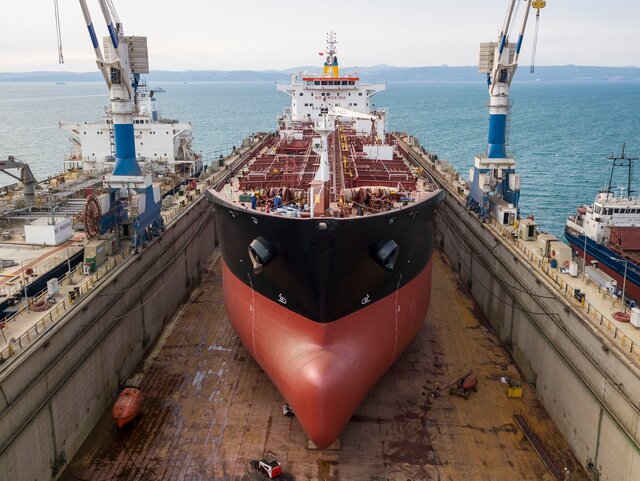
A new project supported by the Norwegian government, and German shipping company, Hartmann Group, will see the launch of a green methanol-fuelled cement carrier in 2028, marking a breakthrough step in sustainable bulk shipping.
The vessel, designed to serve Norway’s domestic market, will demonstrate the potential of low-emission fuels in smaller shipping segments while reducing CO2 emissions by as much as 80%.
The initiative was first proposed in early 2025 by Heidelberg Materials Norway, part of one of the world’s largest building materials companies. The firm applied for funding from the Norwegian NOx Fund, a government programme established in 2008 to support emissions-reduction projects across shipping, industry and offshore operations.
The fund has already backed more than 1,000 projects, including LNG vessels, hybrid ships and shore power installations. Heidelberg is also a long-term member of the Green Shipping Program, launched in 2015 by the Ministry of Climate and Environment and administered by DNV, which promotes low- and zero-emission shipping solutions.
Following a competitive tender involving six companies, Hartmann Group was selected to design, own and operate the new vessel, with InterMaritime, a former Hartmann subsidiary, acting as technical manager.
Heidelberg Materials has agreed to a 10-year charter, ensuring the ship’s long-term role in transporting cement from Brevik to Oslo, Bergen, Kristiansand and Stavanger.
“This vessel is a tangible result of public-private collaboration. A NOK 60 million (approximately $6 million) investment from the Norwegian NOx Fund has enabled the development of a highly energy-efficient ship that sets a new benchmark for low-emission bulk transport,” said Managing Director of the NOx Fund, Tommy Johnsen.
The ship will have a capacity of 9,000 tonnes of cement, more than 1,000 tonnes greater than its predecessor, while consuming less fuel thanks to an optimised design. It will operate on a variable mix of green methanol and diesel, balancing costs with emissions reductions. The vessel is expected to cut CO2 emissions by up to 6,000 tonnes annually.
The Green Shipping Program hailed the project as a milestone, expanding its portfolio of contracted vessels and demonstrating multiple pathways toward zero emissions.
Alongside methanol, the programme is supporting pilot projects exploring hydrogen, ammonia and battery-electric propulsion, further displaying Norway’s role as a leader in maritime decarbonisation.
Expert naval architecture experience at Brookes Bell
Navigating the intricate realm of naval architecture demands a deep knowledge of various engineering and design disciplines.
Brookes Bell stands out in this field. For expert naval architecture support, rely on Brookes Bell's extensive experience and innovative approach to be your top choice.
Discuss your requirements with our naval architecture team today
For more maritime industry insights, news and information, read the Brookes Bell News and Knowledge Hub…
A Brief History of the Suez Canal | The World's Largest Container Ships | The World's Biggest Container Shipping Companies
- Author
- Andrew Yarwood
- Date
- 27/02/2026