
Sanctioned Russian Tanker Grounds in Suez Canal
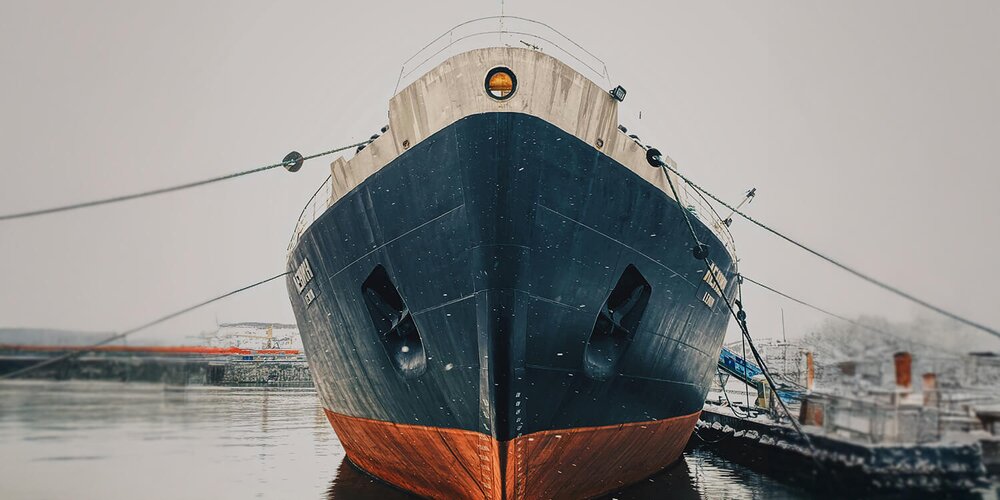
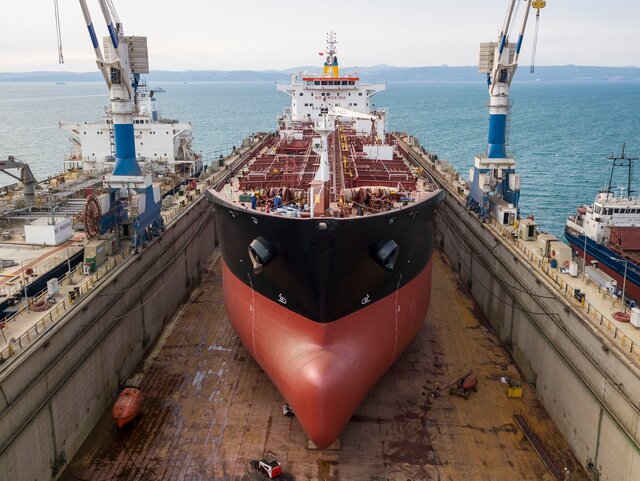
A sanctioned Russian crude tanker, trading as Komander, suffered an engine failure and grounded in the Suez Canal on 28th October, briefly disrupting transits before being refloated and towed clear.
A vessel listed in western sanctions packages for transporting Russian crude above the G7 price cap grounded in the Suez Canal after suffering an engine malfunction, the Suez Canal Authority (SCA) said.
The tanker was transiting south as the last ship in a 19‑vessel convoy when its main engine reportedly failed around midday and the ship drifted out of the channel to ground at kilometre 47.
Built in 2004 and classified as a Suezmax, the vessel weighs about 150,580 dwt and measures roughly 274 metres in length. The SCA reported the ship was carrying an estimated 80,000 tonnes of crude.
Komander is widely regarded as part of the so‑called “shadow fleet” and has a recent history of frequent name and flag changes.
Over the past three years, the ship has been registered under multiple flags and sailed under several identities, a practice commentators say is consistent with efforts to obscure ownership and cargo origins. The vessel is recorded as owned by a Hong Kong company and managed from Russia.
Authorities say the tanker is understood to have loaded its cargo in Murmansk and was believed destined for China. The United States, the UK, and the EU have all included the ship in sanction lists aimed at curbing shipments of Russian oil sold above the agreed price cap.
The Suez Canal Authority said it dispatched five tugs to the site and began a towing operation to refloat and realign the tanker within the channel. The first phase of the operation was completed in about 30 minutes, after which the ship was towed south towards the canal’s lakes area.
SCA officials confirmed that normal traffic operations resumed shortly afterwards. On the day of the incident, 34 vessels were recorded transiting the waterway in both directions, representing approximately 1.4 million net tons.
Ship‑tracking data and industry reports indicated the grounding briefly held up northbound transits, while southbound vessels ahead of Komander continued their passage.
No pollution was reported and there were no immediate indications of structural damage, though authorities and operators will monitor the vessel closely as investigations and routine checks proceed.
The rapid response by the SCA in this case limited the immediate operational impact, but the Komander’s grounding will likely renew calls from some quarters for tighter oversight of vessels with opaque ownership records.
Collisions and grounds expertise with Brookes Bell
No matter how they occur, once grounding and collisions have happened, it’s vital to quickly, and accurately, determine the cause and extent of any damage as well as the potential repair costs. And, that’s where Brookes Bell comes in.
Our team of experienced Master Mariners, marine engineers, cargo scientists and naval architects are on hand to work collaboratively to find out why your collision or grounding occurred.
To learn more about our services, contact our team today.
Learn more about our collisions and groundings services today
For more maritime industry insights, news and information, read the Brookes Bell News and Knowledge Hub…
A Brief History of the Suez Canal | The World's Largest Container Ships | Iraq’s Al Faw Port and “Dry Canal” to Rewrite the Global Trade Map
- Author
- Andrew Yarwood
- Date
- 03/11/2025