SOLAS: A Century of Safety and Counting
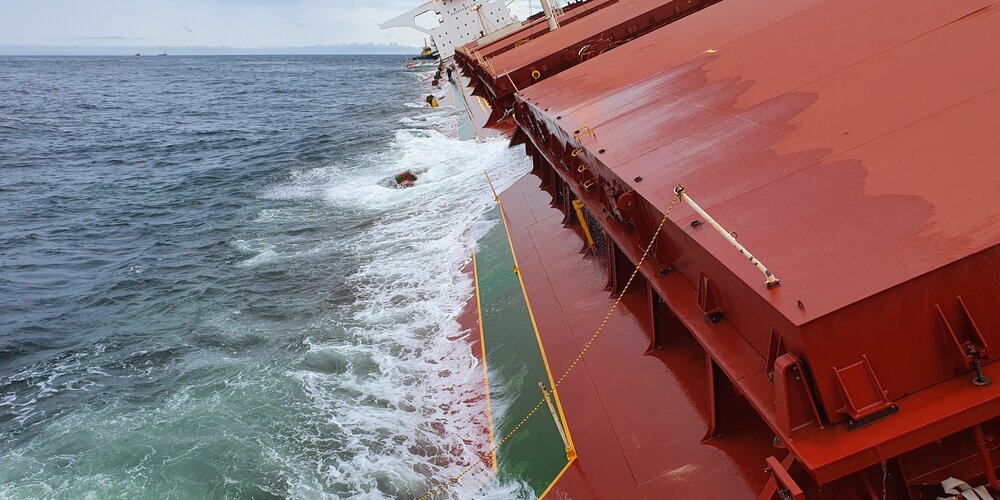
When the Titanic infamously sank in 1912, the world was forced to accept a difficult truth. Even the most advanced passenger ships of their time could fail. That tragedy exposed serious weaknesses in how ships were built and operated, and it led directly to the creation of the first Safety of Life at Sea (SOLAS) Convention.
More than a hundred years later, SOLAS remains the backbone of maritime safety. It continues to evolve as ships, technology, and the risks they face continue to change. What began as a reaction to one disaster has become a global framework that protects vessel passengers and crew every single day.
The earliest versions of SOLAS introduced measures that now feel second nature. Lifeboats, reliable radio communication, fire protection, and minimum construction standards all became part of everyday shipping practice. As vessels grew in both crew and complexity through the 20th Century, the regulations kept pace. New requirements around stability, fire detection, machinery safety, and navigation have been introduced to reflect these changing realities.
For many years, SOLAS relied on detailed, prescriptive rules. They told designers and operators exactly what had to be fitted and where. That approach brought consistency, but it also became clear over time that it could limit new ideas. The loss of the MV Herald of Free Enterprise in 1987 and the sinking of the MV Estonia in 1994 exposed just how quickly stability could be lost when water entered vehicle decks. Those disasters showed that safety could not be reduced to box ticking alone. Ships needed to be assessed in the conditions they actually operate in, not just on paper.
New 2026 requirements
From 1 January 2026, new mandatory requirements under SOLAS will apply to lifting appliances carried on board ships. This includes cargo cranes, engine room cranes, davits, ramps, and moveable decks. The new rules are designed to ensure that this equipment meets class standards, is properly certified, regularly inspected, and fully documented.
There are also updates to the Polar Code, with certain vessel types and sizes now subject to new voyage-planning and navigational safety requirements. In addition, new container-loss reporting standards will be introduced to support recovery efforts and improve environmental challenges.
At the same time, fire safety requirements under SOLAS are being strengthened. Updates to fire safety codes will introduce stricter standards for fire prevention, detection, and firefighting systems on passenger vessels and RoRo ships. For many operators, this will mean reviewing existing arrangements, planning upgrades, and ensuring that both newbuilds and older vessels remain compliant.This is where Brookes Bell’s technical expertise becomes especially valuable.
Our naval architects, fire safety engineers, structural specialists, and marine surveyors work closely with owners, designers, and yards to help them navigate these changes with confidence. That may involve reviewing lifting appliance systems at the design stage, advising on certification and testing of existing equipment, or supporting fire safety upgrades that align with both current operations and long-term regulatory expectations.
For shipowners and operators, these changes are another opportunity to look at how vessels are designed, maintained, and operated. At Brookes Bell, we see regulatory change as a chance to strengthen safety and performance at the same time for our clients and the wider industry. By building compliance into design and operational thinking from the start, clients can create vessels that are not only compliant, but safer, more resilient, and better prepared for the challenges of modern shipping.
Maritime consultancy from Brookes Bell
With a history stretching back over a century, Brookes Bell has been serving the maritime and energy industries with multi-disciplinary technical and scientific consultancy services since 1903.
We are regarded by many of the leading names in these industries as the ‘go to’ firm for casualty investigation, forensic analysis, technical dispute resolution and expert witness work.
If you need help with a maritime-related matter, contact our team today.
For more maritime industry insights, news and information, read the Brookes Bell News and Knowledge Hub…
- Author
- Andrew Yarwood
- Date
- 30/01/2026