
How Technology Is Changing Engineering Investigations
Engineering investigations have always been built on a mix of physical inspection, operational records and experience. What has changed is not just the volume of information available, but the systems themselves.
For experts like Andrew Kingshott, that shift has been clear, even over a relatively short period of time.
One of the most noticeable changes came during the COVID pandemic, when remote surveys became more common out of necessity. While they helped keep investigations moving, they also made their limitations clear. Being physically present, Andrew explains, is still essential. Subtle indicators such as sound, vibration or even smell can often point to a problem long before it shows up in a report or dataset.
“You have to be there to see it,” he says. “As a surveyor you rely on more than just what’s written down. You use your senses, and those are often the first indicators that something is not quite right.”
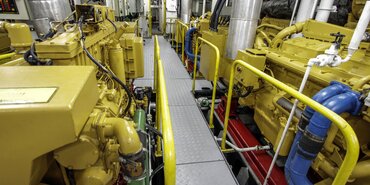
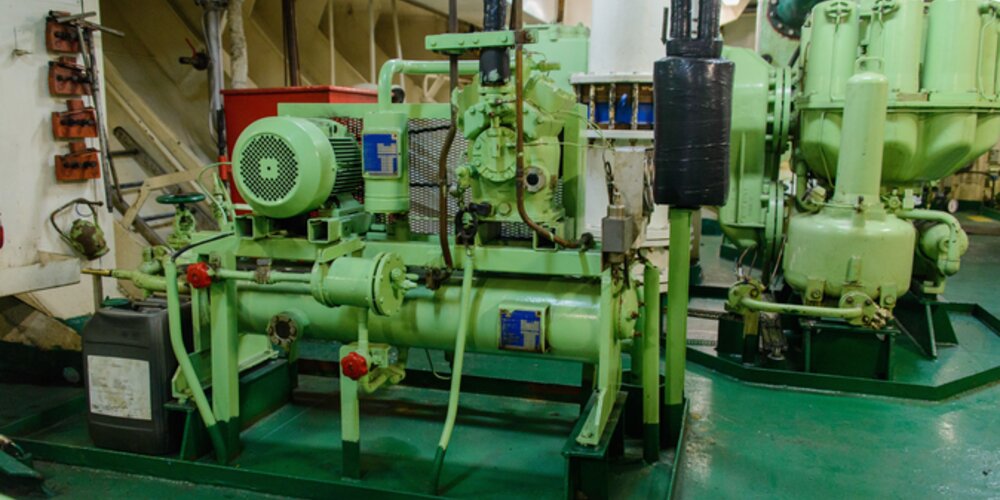
At the same time, the machinery itself is becoming more complex. Modern vessels are increasingly driven by software, automation and integrated control systems. Technologies such as ballast water treatment systems, exhaust gas scrubbers and alternative fuels are now standard, but they bring new challenges when things go wrong. Engineers are no longer just dealing with mechanical failures, but with systems where hardware and software interact in ways that are not always easy to untangle.
Alongside this, the amount of data available has increased significantly. Where engineers once relied on handwritten logs or printed readouts, vessels now store large volumes of digital information, often over long periods. This can give a much clearer picture of how systems were behaving in the lead-up to an incident.
However, more data does not always make things simpler. In many cases, the challenge is working out what actually matters. Large volumes of information can make investigations more complex, not less, and require careful filtering before any meaningful conclusions can be drawn. Data can highlight trends or show when something has changed, but it rarely explains the full story on its own.
“The technology is an aid, it is not a replacement,” Andrew explains. “It can point you in a direction, but you still need engineering judgement to understand what it actually means.”
This balance between data and experience is particularly important in practice. Monitoring systems and alarms tend to record events once a limit has been reached, but experienced engineers will often spot early signs of a problem before that happens. Good watchkeeping is not about reacting to alarms, but about recognising when something is beginning to drift away from normal.
The growing use of data has also changed how claims are approached. Detailed records can strengthen a case and provide confidence in the findings, especially when they support key points such as performance or condition. At the same time, having more data does not mean having all the answers. What is recorded, and what is shared, can still influence how an investigation unfolds.
Looking ahead, Andrew sees real value in technologies that support earlier intervention. Tools such as lubricating oil analysis already give an indication of wear before a failure occurs, but their effectiveness depends on how consistently they are used. As monitoring becomes more automated and closer to real time, there is greater potential to identify issues before they develop into larger problems.
“There are tools that can show something is developing before it becomes a failure,” he says. “The challenge is making sure that data is reliable and used properly.”
While the tools available to engineers will continue to evolve, the fundamentals remain the same. Technology can support an investigation, but it cannot replace the ability to interpret evidence, understand the situation on board and apply sound judgement.
Even in a world of increasing data, it is still experience that turns information into understanding.
- Author
- Anthony York
- Date
- 01/04/2026