
Going Beyond The Numbers: How Brookes Bell takes a detailed look at fuel quality issues
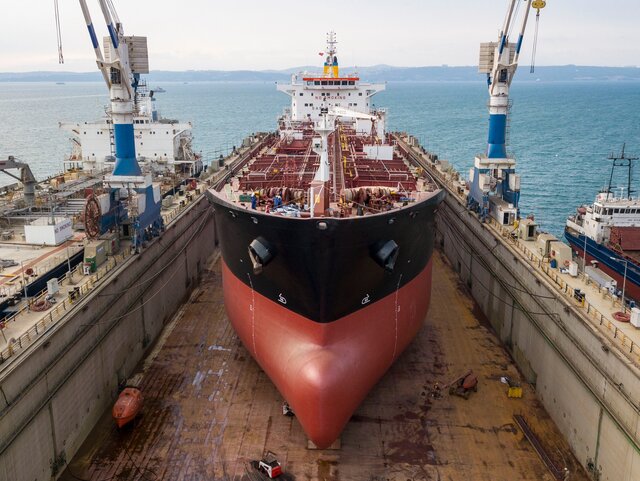
Fuel quality remains one of the leading challenges for shipping players, particularly for those looking to balance safety, compliance and cost amid tight profit margins and a changing regulatory landscape.
As a result, some of the world’s biggest bunkering hubs are facing calls for stricter supplier verification and more routine laboratory testing efforts in a bid to reduce the number of incidents reported each year.
According to Lloyds Register’s Fuel Quality Report for the second half of 2025, there was a sharp rise in the frequency and severity of off-specification marine fuel incidents and fuel quality failures across several of the world’s busiest bunkering hubs, including Singapore, Rotterdam, Antwerp, Hong Kong and Port Klang.
With the regulatory landscape remaining complex, particularly for marine fuel markets in the European Union and as new feedstocks, biofuel blends and alternative fuels come online, there have been calls for more robust onboard fuel management and consistent application of best practice sampling and testing procedures.
That is why Brookes Bell’s range of bunker fuel and fuel cargoes services are being increasingly relied upon to help resolve fuel disputes by accessing some of the industry’s most prominent fuel chemists and forensic scientists. In addition, Brookes Bell’s strong reputation for not leaving a single stone unturned is another reason why many are looking for experienced and reliable fuel chemists in a time of increasing fuel issues around the world.
“A good forensic scientist has the same approach as a good lawyer when they look at the details of a case. They go deeper into every single detail and they don’t ignore anything suspicious,” said Harith Altuma, Fuel Chemist at Brookes Bell’s team in Houston, Texas.
“One thing remains the same, however, in all our cases and that is that the more complex the issues, the greater the risk profile is to the vessel.
Marine fuel blending remains a prominent issue for modern bunker fuels, predominantly due to inconsistent chemical compositions and compatibility issues that ultimately lead to performance problems.
“One of the biggest issues we see right now is to do with the blending of marine fuels. Modern bunker fuels often contain multiple fuels that come from a wide variety of refineries and secondary streams that can all introduce variables that impact the stability and capability of the fuel. Without rigorous oversight, these types of issues can escalate into costly disputes and keep vessels docked for a long time, which ultimately hits the wallet of the ship owner.
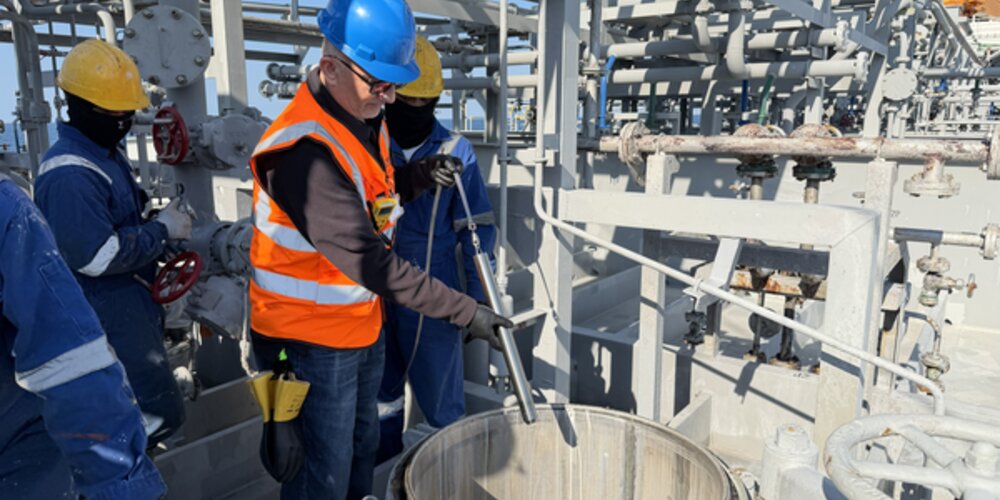
“What we do at Brookes Bell is utilise the skills and experience of our team who can easily identify inconsistencies in the way marine fuel has been tested,” Harith added.
Citing one case that Brookes Bell recently supported in the United States, Harith noted that instinct plays an important part of a fuel chemist’s work and that this instinct is what causes many to look beyond the numbers and go deeper into how the issue originated.
“In one case, I saw the certificate of analysis from the original laboratory supervisor and I was easily able to spot an issue. In this type of reporting, when it comes to viscosity, we report up to four decimal places, which is the industry standard. In this analysis, it was five digits. That immediately raised a red flag with me because I knew the original fuel analysis team did not check their numbers properly.
“An issue like this may sound small but when it comes down to reporting and complying with ISO marine fuel standards, it makes a big difference.
“Ultimately, Brookes Bell was able to work with all the parties involved, including the original lab and the shipping stakeholders, to redo all the testing and act as an independent third-party witness to provide an assessment of what happened and what to avoid in the future. However, we were only able to do that because Brookes Bell’s experience in supporting these type of cases meant we can easily spot inconsistencies in reporting and respond immediately,” Harith noted.
These types of incidents are critical for modern shipowners, primarily because any vessel downtime is costing the owner time and money. For a vessel that is costing millions of dollars every day and stuck in drydock or berth due to a marine fuel dispute, Brookes Bell is doing its part to ensure that it goes beyond the numbers and looks at the finer details of modern bunker fuel quality and cargo disputes.
- Author
- Andrew Yarwood
- Date
- 23/04/2026