
Port of Houston completes first ship-to-ship methanol bunkering in the United States
The Port of Houston has completed the first ship-to-ship methanol bunkering operation in the United States, marking a practical step forward in the development of alternative fuel infrastructure in American waters.
The operation points to growing momentum behind methanol as a viable marine fuel, with bunkering capability now extending beyond established hubs in Europe and Asia.
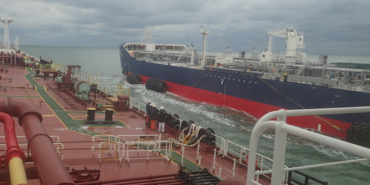
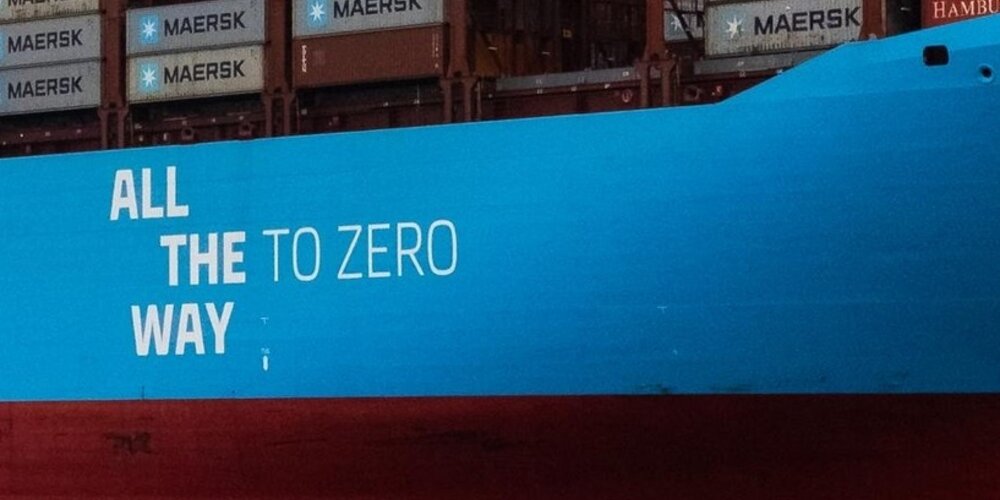
On 30 March 2026, the Maersk dual-fuel containership Tangier Maersk received 2,000MT of methanol from tank barge Kirby 29067 at the Port of Houston. The fuel was supplied by Canadian producer Methanex. The US Coast Guard and its Liquefied Gas Carrier National Center of Expertise monitored the operation throughout.
The bunkering followed four months of preparation involving the US Coast Guard, Maersk Line Limited, and Kirby Marine personnel. That preparation included risk assessments and design reviews to ensure the operation could be carried out safely and in full regulatory compliance.
Kirby Marine is the largest tanker barge operator in the United States and brought significant experience to the operation, both in handling methanol as a cargo and in conventional bunkering and barge-to-ship transfer of other products. The involvement of an operator of that scale adds weight to the commercial case for methanol as a practical bunkering fuel rather than a niche or experimental one.
The US Coast Guard described the milestone as representing a growing economic opportunity for the United States as demand for alternatives to conventional fuel oil continues to build.
As one of the largest bunkering hubs in North America, the Port of Houston is well placed to support that demand. As the busiest port in the country by foreign tonnage and a major petrochemicals hub, it already holds more than 275,000MT of methanol in storage capacity, giving it a natural advantage as a bunkering location for methanol-capable vessels calling on the US Gulf Coast.
Methanol is one of several alternative fuels gaining traction across the shipping industry as owners and operators look to reduce emissions and prepare for tightening regulations. It offers meaningful reductions in sulphur oxide and particulate emissions, and lower nitrogen oxide output compared to conventional marine fuels.
Fuel and Fuel Cargoes expertise at Brookes Bell
Brookes Bell's Fuel and Fuel Cargoes team works with shipowners, operators, insurers, and legal teams on a wide range of fuel-related matters, from quality disputes and contamination claims to technical advisory on alternative and low-carbon fuels.
With decades of combined experience, our expert team of marine engineers, tanker master mariners, fuel chemists and laboratory chemists advise clients around the world on all type of fuel and fuel cargo issues and disputes.
Discuss your requirements with our Fuel and Fuel Cargoes team today
- Author
- Andrew Yarwood
- Date
- 30/04/2026