
How Technology Is Changing Engineering Investigations
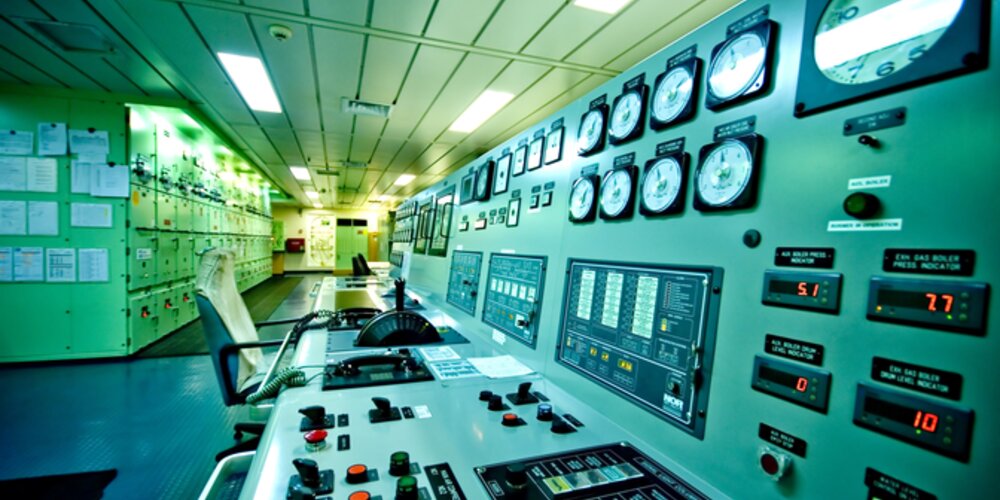
Engineering investigations have always relied on physical inspection, operational records, and professional experience. What has changed in recent years is not only the amount of information available, but the nature of the systems being investigated. For Andrew Kingshott, the shift has been noticeable even over a relatively short period of time, with both vessel technology and investigative tools evolving at pace.
One of the more visible changes came during the COVID Pandemic, when remote surveys became more common out of necessity. While they allowed investigations to continue, Andrew notes that they also highlighted the limitations of relying on information at a distance. “You have to be there to see it,” he explains. “As a surveyor you need to use all your senses.” Physical presence remains fundamental to understanding machinery condition, particularly where subtle indicators, such as sound, smell, or vibration, can provide early insight that may not be captured in data alone.
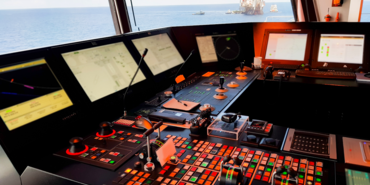
Alongside this, the nature of machinery itself has changed. Systems are increasingly software-driven, with higher levels of automation and more complex control systems. Developments such as ballast water treatment systems, exhaust gas scrubbers, and the introduction of alternative fuels have added new layers of complexity, both in operation and in failure modes. This requires engineers to continually update their understanding. Keeping pace with these changes, through training, industry engagement, and exposure to new technologies, has become an essential part of the role.
At the same time, vessels are now generating far more information than they did in the past. Where once engineers might have relied on printed logs or manual records, much of this data is now stored digitally and retained over long periods. “There’s more and more information recorded on board now,” Andrew says. “You can see the condition of the engine; you can see what’s been happening. Alarm histories, machinery parameters, and operational data provide valuable insight into how a system was behaving in the lead-up to an incident, allowing us investigators to build a more detailed picture.”
However, Andrew is clear that more data does not necessarily make investigations simpler. In some cases, the increased volume of information can introduce additional complexity.
The relationship between data and experience is therefore critical. Andrew emphasises that technology should be seen as a support to engineering judgement, rather than a replacement for it. “The technology is an aid, it’s not a replacement,” he explains. “Data can indicate when something has gone wrong, or highlight a developing trend, but it does not necessarily explain why it has occurred or whether it should have been anticipated.”
This distinction is particularly important when considering how incidents develop in practice. Alarms and monitoring systems typically record events once a threshold has been reached, but experienced engineers may identify signs of deterioration before that point. Effective watchkeeping is not about waiting for an alarm, but understanding what normal operation looks like and recognising when conditions begin to change.
The increasing availability of data has also influenced expectations in claims. Detailed records can provide confidence in presenting a case, particularly where they support key aspects such as performance or consumption. At the same time, access to data does not guarantee that all relevant information will be available, and decisions on what is shared can still influence how an investigation develops. As a result, while data can support claims, it does not remove the need for careful analysis or interpretation.
As to the future, Andrew sees particular value in developments that improve preventative monitoring. Lubricating oil and vibration analysis, for example, already provides an indication of wear within machinery, allowing potential issues to be identified before failure occurs. However, its effectiveness depends on how consistently and accurately samples are taken. Moving towards more real-time or automated monitoring could improve reliability and provide earlier warning of developing problems.
Whilst the tools available to engineers will continue to develop, the role of the engineer remains central. As investigations evolve, technology will play an increasingly important role in supporting analysis. However, the ability to gather evidence on the ground, understand its limitations, and place it within the wider operational context remains the defining skill of an experienced investigator.
- Author
- Anthony York
- Date
- 01/04/2026