
Regular data and lab testing looks to offset fuel quality challenges
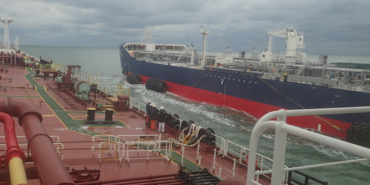
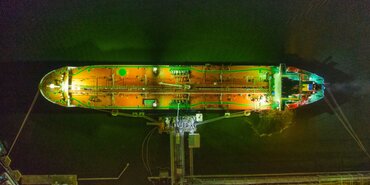
With a typical shelf life of just 6-12 months, Very Low Sulfer Fuel Oil (VLSFO) faces a multitude of issues that can impact its stability and usability if it degrades faster than expected.
Higher than expected temperatures, exposure to water and oxygen and blend incompatibility remain key problems that often results in regular testing and fuel management best practices to be put in place to avoid the possibility of vessel downtime.
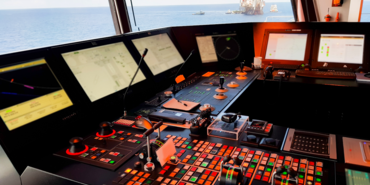
As a result, the shipping industry is producing more fuel data than ever before to ensure it understands the quality and effectiveness of all types of bunker fuels and alternative options. This ranges from real-time onboard fuel monitoring to comprehensive lab analysis and supplier verification and documentation. However, according to Harith Altuma, Fuel Chemist at Brookes Bell’s team in Houston, that data alone does not prevent a failure or resolve a dispute.
“An original certification from a fuel testing laboratory is only the starting point. The critical step is correlating the analysis results with operational samples to determine what caution and care should be taken. Without that technical interpretation from an independent third party, there is a risk of false confidence or misplaced liability,” said Harith.
“Brookes Bell’s role is to bridge that gap between laboratory findings and real-world operational performance. We request more or advanced testing, particularly if the vessel is operating in more high-risk conditions or if it is utilising more complex fuel options.
“The objective of our work is not to test for testing’s sake but to deliver an intelligent risk management assessment that is informed by fuel chemistry and operational contracts. That is why Brookes Bell has become such an authority of getting to the bottom of modern fuel disputes. We harness the skill and experience of our team of laboratory technicians, fuel chemists and forensic scientists to produce real-world and practical results, ensuring we are a reliable third-party witness in these types of disputes.
Exposure to water is a clear example of where VLSFO can degrade faster and open a vessel up to multiple operational, safety and compliance risks. For example, water in fuel tanks can promote the growth of bacteria, fungi and other microbes that forms sludge that can clog filters, corrode fuel systems and lead to engine failures.
Harith noted that, for Brookes Bell’s team of fuel chemists and forensic scientists, this is a good example of how there is more to a fuel quality investigation that just testing the fuel itself.
“If we are testing the fuel and we spot a residue, we need to question what the cause is. Increasingly, we’re seeing VLSFO being affected by microbacteria if it is exposed to water. That means we then need to test the water residue, which is sometimes affected by phenols and other materials themselves.
“In another case, we supported a vessel in Singapore where the fuel was showing higher than normal sodium levels. The vessel in question had multiple tanks so we had to test the sediment inside all the tanks separately to identify if we this was a result of the fuel itself or the tank. Fortunately, we only found the sodium levels in one tank so it then becomes a question of what happened in this tank to cause these high sodium levels,” Harith asked.
Brookes Bell’s commitment to going above and beyond when it comes to analysing and testing fuel quality is giving shipowners an edge in an increasingly regulatory maritime sector. Ensuring that stringent quality control measures are in place through effective laboratory analysis and data collection is key to Brookes Bell’s approach to supporting shipowners, operators and the wider supply chain as they look to provide high-quality and effective bunker fuel options.
- Author
- Anthony York
- Date
- 23/04/2026