
Sun-Baked Solutions: How Traditional Drying Methods Help Reverse Cargo Liquefaction
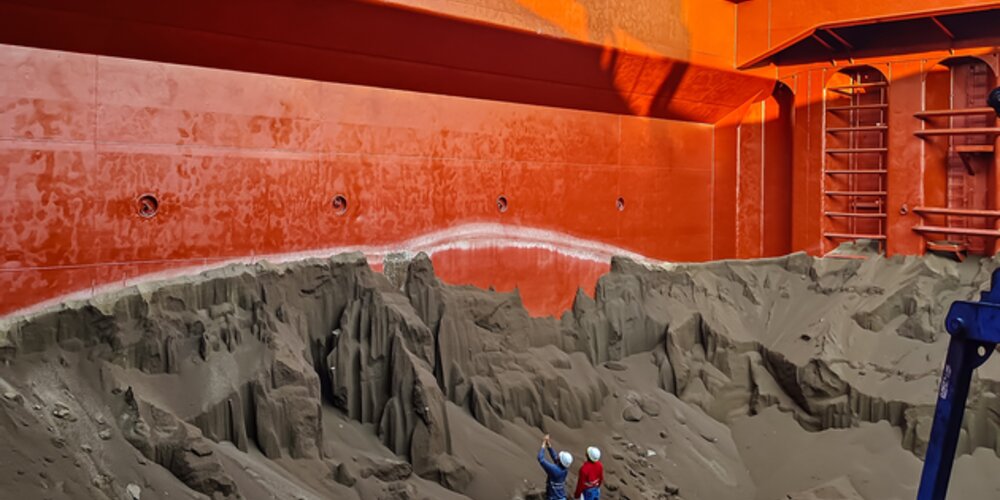
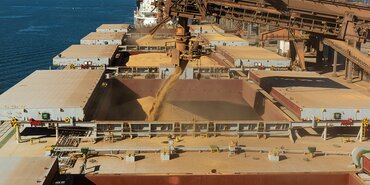
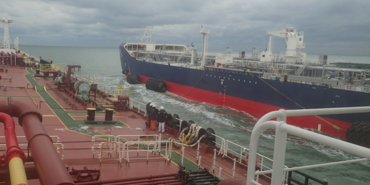
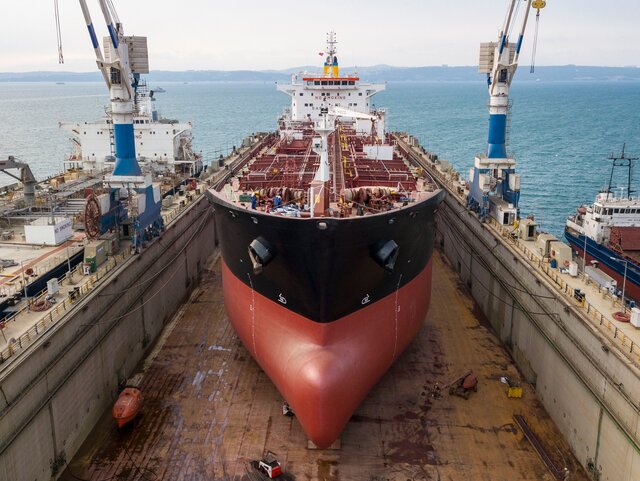
Cargo liquefaction cases can often be incredibly complicated. This problem is heightened when the vessel has left its port of origin and is in transit, owing to countries that have nothing to do with the vessel or the cargo being unwilling to provide refuge and potentially facing liability for the incident.
“Ports are often quite reluctant to let in any distressed ship, particularly when it comes to cargo liquefaction cases,” said Dr Martin Jonas, Director of Science at Brookes Bell.
“If they let a distressed vessel in, this may mean they have a berth out of action for a very long time as cargo liquefaction cases can last for months at a time. Then there is the discussion of what to do with the cargo itself and whether they will allow it to be discharged to dry out,” he added.
There are several options available to shippers that are looking to reduce the moisture level of cargo that has been subject to high moisture levels and is at risk of liquefaction. Several of these can be installed onto the vessel to reduce the moisture level of the cargo hold, including ventilation systems and dehumidifiers, while others can be used prior to loading, such as mechanical drying equipment or blending the cargo with drier batches to reduce the overall moisture content.
However, one of the most effective methods is by using the power of the sun or using controlled heat treatment either onshore or onboard to naturally dry out the cargo.
Dr Jonas highlighted this particular method, recalling one notable case from his distinguished career that showed the ideal scenario for sun-drying cargo.
“I’m reminded of a case I once hand where zinc concentrate cargo was loaded in Montenegro and heading to China. The cargo arrived at the port via train and was loaded in a very wet and very muddy state.
“When the vessel arrived at the Suez Canal, the Captain raised his concerns and requested cargo scientists to inspect the cargo. As soon as we boarded and saw the cargo, we had visions of this vessel capsizing and shutting down the canal.
“We managed to get the vessel to a port of refuge near Suez and it was during the testing while at berth that we realised the scale of the problem. The cargo needed to be no more than 17% moisture to meet the regulations but this particular cargo was at 24%.
“Fortunately, this was in the middle of June in the middle of the desert with absolutely no rain guarantee. We were provided with an area the size of about two football pitches to play with. We discharged the cargo, stockpiled it at one end of the field and then every day we moved about 2,000 tonnes of cargo by spreading it over the field and drying it under the sun. Even in these most ideal of circumstances, drying the entire cargo took about three months,” he added.
No matter the method to reduce the cargo moisture levels, all solutions are expensive, either in terms of the equipment used or the amount of downtime a vessel needs while the cargo dries out.
“If you’re at a port of refuge, then it is the responsibility of the vessel owner to manage the cargo, but if you are at a loading port, then there are cargo interests there who may ultimately have to dry out the cargo. This is another reason why cargo liquefaction cases are so contentious between owners and shippers. When you take these problems seriously, the costs can rise to the millions very quickly and someone ultimately has to pay the price,” Dr Jonas noted.
If you’re in need of scientific cargo advice, find out how Brookes Bell can help here.
- Date
- 06/11/2026