
WinGD Lands World-First Ethanol Engine Order for Vale Ore Carriers
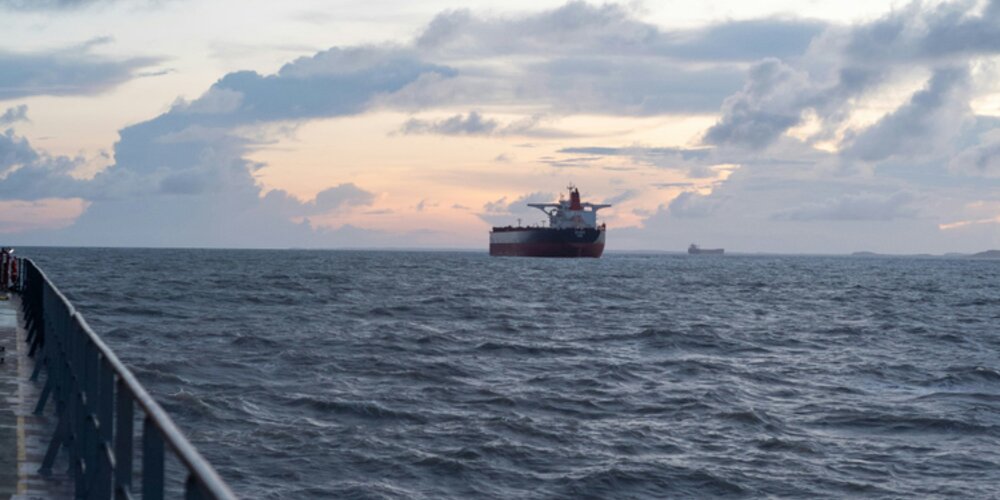
Swiss engine designer WinGD has won the contract to provide the maritime industry’s first-ever ethanol-fuelled two-stroke engines that will power ocean-going bulk carriers.
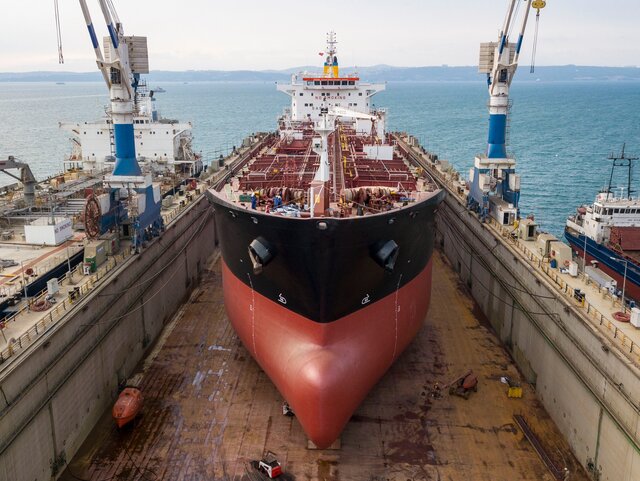
Two 325,000 dwt Newcastlemax ore carriers will each be fitted with six-cylinder 6X82DF-M/E dual-fuel engines that will primarily run on ethanol. The vessels are being constructed in China at Beihai Shipbuilding and will operate under long-term charter to Brazilian mining giant Vale.
The ethanol-fuelled engines are scheduled for delivery in early 2029, with additional options included should the vessel series expand.
WinGD noted that this engine order represents a decade of intensive investigation into alcohol fuels including ethanol and methanol, and is a clear signal that the shipboard technology and fuel infrastructure around ethanol as a marine fuel are ready.
The engines are based on WinGD’s existing methanol-fuelled X-DF-M design, but modified to account for ethanol’s lower energy density. The fuel injection system and supply pressure will be adjusted while maintaining largely similar combustion characteristics between the two alcohol-based fuels.
WinGD has also recently delivered the world’s largest methanol-fuelled marine engine and installed the first commercial ammonia-fuelled two-stroke engine aboard an LPG carrier.
Ethanol is gaining attention as a ship fuel due to its widespread and cost-competitive availability in several markets. These markets include Brazil, from where the vessels will deliver iron ore to China. According to Vale’s own investigations, the use of ethanol can reduce greenhouse gas emissions by around 90% compared with heavy fuel oil, depending on the fuel type and lifecycle assumptions.
Fuel and Fuel Cargoes expertise at Brookes Bell
Brookes Bell's Fuel and Fuel Cargoes team works with shipowners, operators, insurers, and legal teams on a wide range of fuel-related matters, from quality disputes and contamination claims to technical advisory on alternative and low-carbon fuels. Our fuel advisory services can help you assess your current fuel strategy, understand your regulatory obligations, and plan for the changes ahead as the industry's transition to cleaner fuels accelerates.
Discuss your requirements with our Fuel and Fuel Cargoes team today
- Author
- Andrew Yarwood
- Date
- 16/07/2026