
More Methanol Cargoes, More Off-Spec Risk
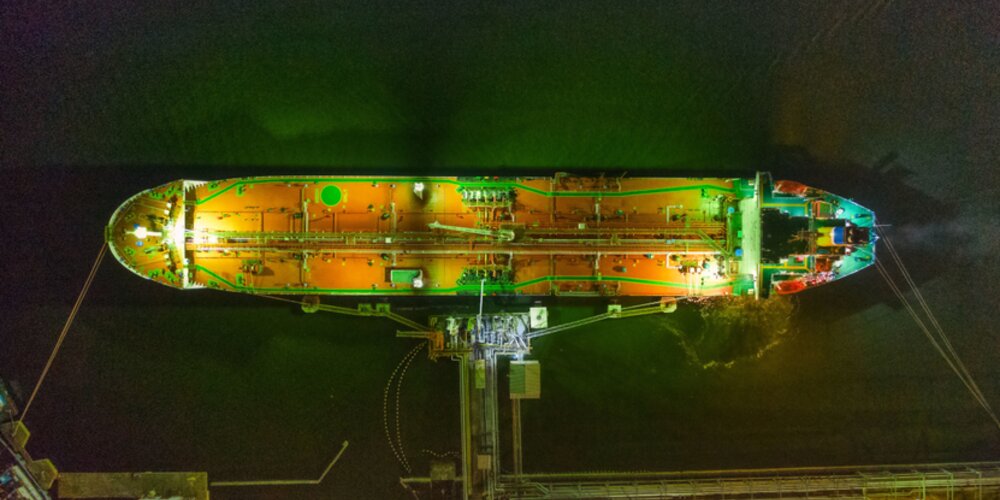
Methanol is having a moment. DNV's Alternative Fuel Insight data shows the methanol-capable vessel fleet passed 120 in early 2026, with several hundred more vessels on order. Argus Media has forecast that alternative marine fuel demand will exceed 10 million tonnes in 2026, with methanol driving much of that growth. The Methanol Institute has also significantly revised its own demand projections upward as production and orderbooks have expanded. In this article, we’ll take a look at what this growth means – especially as off-spec cargoes incidents increase…
The growth and growth of methanol
Methanol is rapidly becoming a major alternative fuel source and commercial cargo. For example, early 2026 saw the UK’s first commercial biomethanol bunkering service launch at the Port of Immingham, new methanol bunkering licences issued in Singapore, and continued investment in green methanol production capacity backed by major shipping names.
However, the infrastructure to support this growth in methanol production continues to lag. Reporting on the sector suggests that the number of ports able to bunker methanol is around 48 (against more than 200 for LNG).
This lag aside, the same growth for methanol as a marine fuel is also driving more methanol production, more shore-side handling, and more sea transport of the product as a chemical commodity.
More methanol moving through more terminals – as a product that many handlers and testers are still building deep familiarity with – is a straightforward recipe for more contamination exposure.
And, it’s something the shipping industry is already seeing – and dealing with.
Cargo claims and tankers
Cargo claims represent the single largest and costliest category of claim tankers face.
Swedish Club’s analysis of tanker claims data from 2016 to 2020 found that around 10% of insured tanker vessels experience a cargo claim in a given year, with contamination and off-spec cargo among the most frequently recorded claim types.
Methanol cargoes are already part of this picture.
Petrochemical cargo disputes involving methanol and methanol blends are increasingly reaching formal dispute resolution, and where they do, the central question is rarely whether the cargo was off-spec – that much is usually established by testing. It’s whether the condition reflects an inherent characteristic of the cargo itself, an event that occurred during transfer or handling, or contamination that arose once the cargo was aboard. That distinction is typically what decides where liability, and cover, are likely to sit.
That question – when and why – starts with the test result itself. Before it’s possible to say where a contamination problem originated, it helps to understand what each failed parameter is actually flagging, and what it isn’t’.
What the test result tells you
Commercial methanol cargoes are typically tested against the IMPCA (International Methanol Producers and Consumers Association) reference specification. Each parameter, when it fails, points to a type of problem – but not, by itself, to where it happened:
- PTT/UVT failures: may indicate organic impurities from residues or inadequate tank cleaning.
- Water: methanol is hygroscopic; atmospheric exposure and water ingress are recognised risk factors.
- Chloride: elevated levels are commonly linked to water ingress, residues, or transfer-system contamination.
- Acidity: can point to contamination or carryover from a previous cargo, or reaction with cleaning materials.
- Hydrocarbons/Oil: possible sources include shore or vessel lines, previous cargo residues, or handling equipment.
What it doesn’t tell you
An off-spec result recorded at discharge can look identical whether the contamination was pre-existing, introduced during transfer (shore tank, shore pipeline, or the loading process), or vessel-related (tank residues, inadequate cleaning, or handling equipment).
This kind of ambiguity isn’t just theoretical. It isn’t unusual for composite samples drawn at different points during a single discharge to disagree with each other – one reading off-spec, a later one on-spec, then off-spec again as discharge continues.
When that happens, the question stops being just about the cargo and becomes about the testing itself: when each sample was drawn, how it was drawn, and whether the chain of custody can withstand scrutiny.
The party who carried out the testing can end up needing to defend their own methodology as much as the vessel or shipper needs to defend the cargo’s history.
Building a defensible answer
Establishing where and why an off-spec result occurred means evaluating several strands of evidence together, not relying on a single re-test:
- Available samples.
- Cargo history.
- Sampling chronology.
- Targeted chemical analysis.
- Operational records.
A robust investigation works with whatever evidence actually exists, rather than assuming an unbroken chain of samples and records. Correct sampling practice is widely regarded across the P&I and insurance markets as one of the most important factors in whether a dispute can be resolved on the evidence, or ends up contested on inference.
Conclusion
Methanol’s growth as both a chemical commodity and a marine fuel isn’t slowing down, and the volume of off-spec disputes is likely to grow alongside it. An off-spec result is a starting point, not a conclusion – the real question is always where in the cargo’s journey it went wrong, and what evidence can support that answer.
Brookes Bell’s Fuel Chemists work alongside Cargo Scientists, Master Mariners, and other Brookes Bell disciplines to build that evidence base from whatever samples, records, and chemical data are available.
Find out more about our off-spec methanol cargo services
For more maritime industry insights, news and information, read the Brookes Bell News and Knowledge Hub…
MAN to Deliver World’s Largest Methanol Engine | Methanol Overtakes LNG As the Alternative Fuel of Choice | First Ship-to-Ship Methanol Bunkering for a Large Containership Completed
- Author
- Matt Donnelly
- Date
- 07/09/2026